
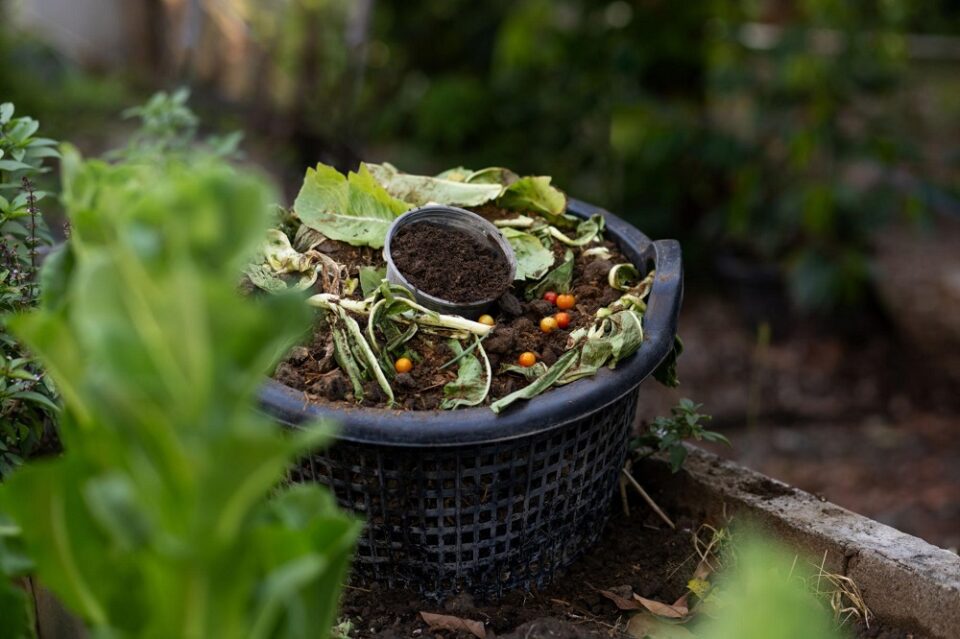
Organic composting is one of the most effective ways to improve soil fertility naturally. It transforms kitchen scraps, yard waste, and biodegradable materials into nutrient rich compost that supports strong plant growth. Regular compost use improves soil structure, increases moisture retention, and reduces dependence on chemical fertilizers.
This guide explains practical organic composting methods that homeowners can follow easily to enrich garden soil and maintain sustainable gardening practices.
Why Organic Composting Improves Garden Soil Quality
Organic compost supplies essential nutrients and improves long term soil performance.
Key benefits include:
- Enhances soil structure and aeration
- Improves water retention capacity
- Supports beneficial microorganisms
- Reduces landfill waste from organic materials
- Strengthens plant resistance to stress conditions
Healthy compost enriched soil supports balanced plant growth throughout the year.
Materials Suitable For Organic Composting At Home
Successful composting depends on selecting the right mix of biodegradable materials.
Common compost friendly materials include:
- Vegetable and fruit peels
- Dry leaves and grass clippings
- Coffee grounds and tea residue
- Eggshells crushed into small pieces
- Paper scraps without chemical coating
- Garden trimmings and plant waste
Avoid adding oily food scraps, synthetic materials, or heavily processed waste to maintain compost quality.
Understanding Green And Brown Compost Materials
Organic compost works best when green and brown materials are combined in balanced proportions.
Green materials provide nitrogen such as:
- Vegetable waste
- Fresh grass clippings
- Fruit scraps
Brown materials supply carbon such as:
- Dry leaves
- Cardboard pieces
- Straw and small twigs
Maintaining balance between these materials improves decomposition speed and compost quality.
Traditional Backyard Compost Pit Method
The compost pit method is one of the simplest techniques for home gardeners.
Steps involved include:
- Selecting a shaded location in the garden
- Digging a shallow pit in the soil
- Adding alternating layers of green and brown waste
- Covering each layer lightly with soil
- Maintaining moderate moisture levels
This method allows natural microorganisms to break down materials efficiently over time.
Compost Bin Method For Controlled Decomposition
Using a compost bin keeps the composting process organized and suitable for compact outdoor spaces.
Advantages of compost bins include:
- Reduced odor during decomposition
- Protection from pests
- Faster breakdown of organic materials
- Easy monitoring of compost condition
Turning compost regularly inside the bin improves airflow and speeds up decomposition.
Vermicomposting Using Earthworms For Rich Compost
Vermicomposting uses earthworms to convert organic waste into nutrient dense compost.
Basic steps include:
- Preparing a ventilated container with bedding material
- Adding vegetable scraps gradually
- Introducing compost friendly earthworms
- Keeping the environment moist but not wet
- Harvesting compost after decomposition completes
This method produces fine textured compost suitable for vegetable gardens and flowering plants.
Maintaining Proper Moisture And Airflow In Compost
Moisture and airflow are essential for effective compost formation.
Best practices include:
- Keeping compost slightly moist but not soggy
- Turning compost every few weeks
- Avoiding compacted compost layers
- Protecting compost from excessive rainfall
Balanced airflow supports microbial activity and improves compost texture.
Signs That Compost Is Ready For Garden Use
Finished compost has clear physical characteristics that indicate readiness.
Common signs include:
- Dark brown soil like appearance
- Earthy natural smell
- Soft crumbly texture
- Absence of recognizable food scraps
Using mature compost ensures plants receive nutrients safely and effectively.
Applying Compost To Improve Home Garden Soil
Applying compost correctly improves soil productivity and supports healthy plant development.
Recommended application methods include:
- Mixing compost into garden beds before planting
- Spreading compost around plant roots as surface enrichment
- Adding compost to potting mixtures for container plants
- Applying compost seasonally to maintain soil fertility
Regular compost use builds long term soil strength naturally.
Frequently Asked Questions
How long does organic compost take to become usable
Compost typically becomes ready within two to four months depending on temperature conditions, moisture balance, and material composition.
Can cooked food scraps be added to compost
Cooked food scraps are generally avoided because they may attract pests and slow the composting process.
Is composting suitable for small home gardens
Yes composting can be done using compact containers or bins designed specifically for limited outdoor spaces.
How often should compost be turned during decomposition
Turning compost every two to three weeks helps improve airflow and accelerates decomposition.
Can compost improve soil in container gardening
Yes compost enhances nutrient content and moisture retention in container soil mixtures.
What causes unpleasant odor in compost piles
Odor usually develops when compost becomes too wet or lacks sufficient airflow during decomposition.
Is it necessary to dry leaves before adding them to compost
Dry leaves can be added directly and help balance moisture levels by acting as carbon rich material in compost mixtures.
