
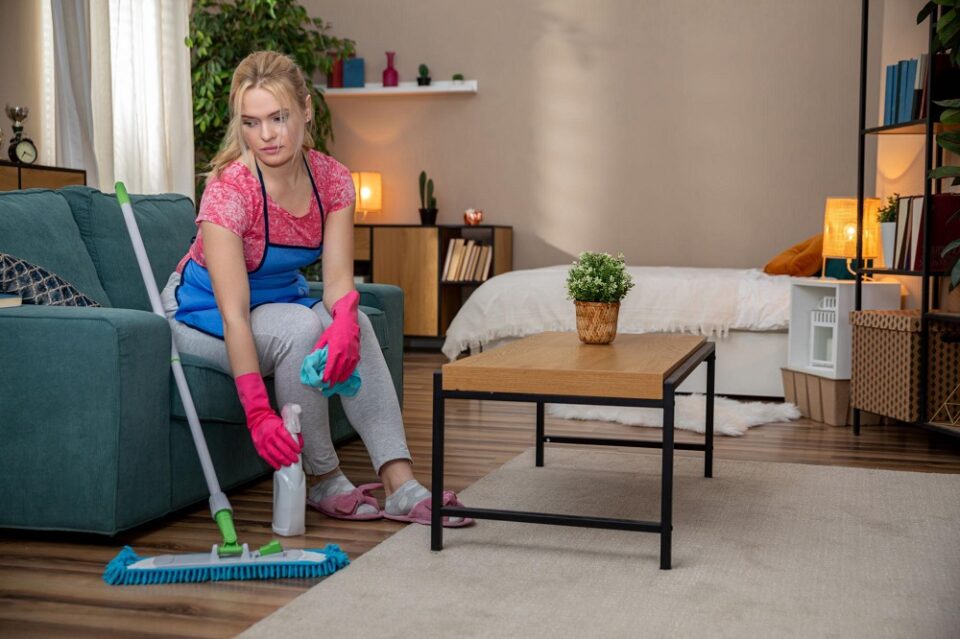
Preventive maintenance is the most effective way to preserve the appearance, strength, and functionality of interior spaces. Instead of waiting for visible damage, regular inspection and timely care help avoid expensive repairs and extend the life of furniture, surfaces, flooring, fixtures, and appliances. A structured maintenance routine protects both comfort and property value over time.
This guide explains practical strategies that homeowners can follow to maintain interior spaces efficiently and consistently.
Why Preventive Maintenance Matters For Interior Spaces
Preventive maintenance focuses on early identification of wear and tear before it becomes structural damage.
Important benefits include:
- Reduced repair expenses over time
- Improved durability of furniture and finishes
- Better indoor hygiene conditions
- Increased safety within living areas
- Preservation of interior aesthetics
Routine monitoring ensures that small issues do not become long term problems.
Regular Inspection Helps Detect Early Damage
Frequent visual checks allow homeowners to identify moisture stains, loose fittings, cracks, or surface discoloration before they worsen.
Areas that should be inspected regularly include:
- Wall corners and ceilings
- Window frames and door hinges
- Flooring joints and edges
- Cabinets and storage units
- Electrical switch panels
Early detection reduces maintenance complexity and prevents structural weakening.
Maintain Proper Indoor Ventilation Throughout The Year
Ventilation plays a critical role in preventing moisture buildup and indoor air stagnation.
Effective ventilation practices include:
- Opening windows daily for fresh airflow
- Keeping ventilation openings unobstructed
- Using exhaust systems in kitchens and bathrooms
- Reducing indoor humidity accumulation
Good airflow protects paint, wood surfaces, and fabrics from moisture damage.
Protect Walls From Stains And Surface Damage
Interior walls often experience gradual deterioration from dust, moisture, and accidental marks.
Preventive wall maintenance strategies include:
- Cleaning wall surfaces periodically with dry cloths
- Addressing small cracks immediately
- Avoiding excessive moisture exposure near painted areas
- Inspecting corners for early dampness signs
Maintained wall surfaces preserve the overall appearance of interiors.
Care For Flooring To Extend Surface Life
Flooring experiences continuous usage and requires regular care to remain durable.
Recommended floor maintenance steps include:
- Removing dust daily to prevent scratches
- Cleaning spills immediately
- Using appropriate cleaning solutions for each surface type
- Avoiding dragging heavy furniture across floors
Consistent floor care maintains structural integrity and visual appeal.
Maintain Doors And Windows For Smooth Operation
Doors and windows support both ventilation and safety. Their performance depends on proper alignment and regular inspection.
Preventive maintenance steps include:
- Tightening loose hinges when necessary
- Cleaning tracks and sliding channels
- Inspecting locking mechanisms periodically
- Checking seal conditions around frames
Well maintained openings improve both security and insulation efficiency.
Protect Furniture From Premature Wear
Furniture maintenance preserves comfort and extends usability.
Useful furniture care practices include:
- Dusting surfaces regularly
- Avoiding prolonged sunlight exposure
- Rotating cushions periodically
- Inspecting joints and supports for looseness
Preventive care protects materials from cracking and fading.
Monitor Moisture Levels To Prevent Interior Damage
Moisture is one of the most common causes of interior deterioration. It weakens paint layers, damages wood, and encourages mold growth.
Preventive moisture control measures include:
- Checking plumbing areas for leakage
- Keeping bathrooms dry after use
- Monitoring storage areas for damp conditions
- Ensuring proper drainage around interior utility spaces
Maintaining dry interiors supports long lasting finishes.
Maintain Electrical Fixtures For Safety And Efficiency
Electrical fittings require regular inspection to ensure safe operation.
Important preventive actions include:
- Observing unusual heat near switch panels
- Replacing damaged switches promptly
- Keeping electrical points clean and dry
- Avoiding overloading sockets
Routine attention improves safety and reduces unexpected failures.
Schedule Periodic Deep Cleaning For Long Term Protection
Deep cleaning removes hidden dust and contaminants that routine cleaning cannot address.
Areas that benefit from periodic deep cleaning include:
- Ceiling fans and ventilation openings
- Curtains and upholstery surfaces
- Mattress covers and bedding storage
- Hidden corners behind furniture
Scheduled deep cleaning strengthens preventive maintenance efforts.
Organize Storage Areas To Reduce Interior Stress
Cluttered storage areas often cause unnecessary pressure on shelves and cabinets.
Helpful storage maintenance practices include:
- Avoiding overloading storage units
- Keeping seasonal items separated
- Labeling containers for easy identification
- Inspecting shelves for alignment stability
Organized storage supports both accessibility and durability.
Frequently Asked Questions
How often should preventive maintenance inspections be performed indoors
Basic visual inspections should be carried out monthly, while detailed checks can be scheduled every three to six months depending on usage conditions.
What materials inside homes require the most preventive care
Wood surfaces, painted walls, upholstered furniture, and flooring materials typically require the most consistent maintenance attention.
Can preventive maintenance reduce renovation expenses
Yes, early correction of small defects significantly reduces the likelihood of expensive repair or replacement work later.
Is preventive maintenance necessary in newly constructed interiors
New interiors also require maintenance because early care helps preserve finishes and prevents premature wear.
How can lighting affect interior material durability
Proper lighting reduces moisture accumulation in darker areas and helps maintain healthier indoor conditions.
What signs indicate interiors need immediate maintenance attention
Peeling paint, unusual odors, loose fittings, surface stains, and recurring damp patches indicate the need for prompt inspection.
Does preventive maintenance improve indoor comfort levels
Yes, maintained interiors support better airflow, cleaner surfaces, and improved usability across living spaces.
